
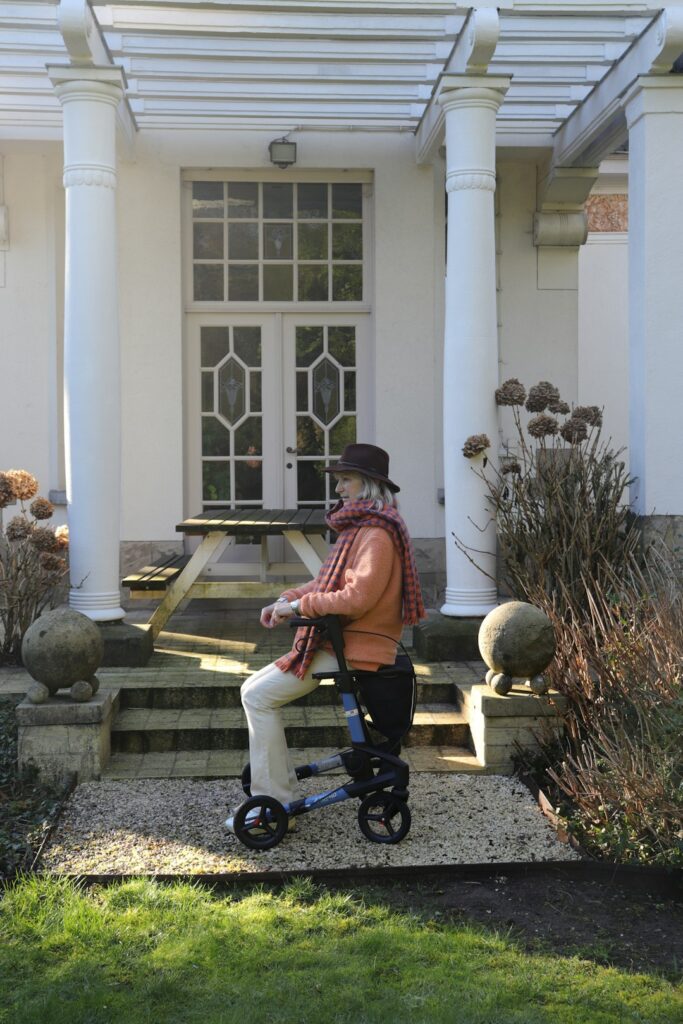
Assisted living can promote senior mobility by combining daily movement, safe surroundings, personalized support, and timely attention to changes in walking or balance. The goal is not simply to prevent falls. It is to help residents keep doing as much as possible for themselves, including walking to meals, participating in activities, managing personal routines, and staying connected with others.
For residents and families in Level Green, PA, mobility planning may also need to account for seasonal weather, icy walking surfaces, uneven outdoor paths, and the practical challenges of getting around larger properties or nearby neighborhoods.
What does mobility mean in assisted living?
Mobility includes more than walking without assistance. It also involves standing from a chair, transferring from a bed to a wheelchair, using stairs, turning safely, reaching for items, and moving through common areas.
A resident may be mobile while using a cane, walker, wheelchair, or another assistive device. The measure of success is not whether someone moves without equipment. It is whether the person can move safely, comfortably, and with the right level of independence.
Assisted living may support mobility through:
- Clear walking paths and well-maintained common areas
- Handrails, grab bars, and appropriate seating
- Help with transfers and personal routines
- Exercise or movement programs suited to different abilities
- Transportation assistance for activities and appointments
- Observation of changes in gait, strength, alertness, or balance
The best approach allows a resident to do the parts of a task that remain safe while providing help with the parts that have become difficult.
How does regular daily movement preserve independence?
Frequent, manageable movement helps older adults maintain strength and physical function. In assisted living, movement can be built into ordinary routines rather than limited to formal exercise sessions.
Walking to the dining room, standing during a group activity, carrying a lightweight personal item, or taking a supervised outdoor stroll can provide useful practice. Repeated activity helps the body remain familiar with essential movements such as rising, turning, stepping over thresholds, and sitting down in a controlled way.
Long periods of sitting can contribute to stiffness and weakness. For that reason, a mobility-friendly routine often includes short periods of activity throughout the day. A resident who cannot walk far may still benefit from seated leg movements, supported standing, gentle stretching, or repeated sit-to-stand practice, provided these activities are appropriate for the person’s health.
What kinds of exercise help senior mobility?
A balanced mobility program usually includes strength, balance, flexibility, and endurance. The right combination depends on a resident’s medical conditions, pain level, vision, cognition, and current physical ability.
Examples may include:
- Leg and hip strengthening to support standing and walking
- Balance exercises performed while holding a stable surface
- Gentle range-of-motion movements for stiff joints
- Seated exercises for residents who cannot safely stand for long periods
- Walking practice with an appropriate assistive device
- Breathing and endurance activities that make daily movement less tiring
Exercises should be adjusted rather than abandoned when a resident has arthritis, osteoporosis, Parkinson’s disease, a prior stroke, heart disease, or another condition affecting movement. A physical therapist or other qualified clinician may be needed when a person has pain, repeated falls, a new weakness, or a significant decline in function.
A common misconception is that exercise must be strenuous to be useful. For many older adults, safe and consistent movement is more valuable than intense activity that causes exhaustion or injury.
How can assisted living reduce fall risks?
Assisted living can reduce fall risks by addressing both the environment and the individual factors that make falls more likely. These may include poor lighting, loose rugs, clutter, unsuitable footwear, dizziness, medication side effects, vision problems, or difficulty using a walker correctly.
Staff may notice changes that a family member sees only occasionally, such as a resident holding onto furniture, taking shorter steps, appearing unsteady after meals, or needing more time to rise from a chair. Early observation can lead to a review of the resident’s care plan and communication with the appropriate healthcare professionals.
Fall prevention does not mean restricting all activity. Excessive restriction can lead to less movement, weaker muscles, and greater dependence. Safer support usually means changing the task, improving the surroundings, or providing supervision so the resident can continue participating.
Residents and families may reasonably ask:
- Are walking paths free of clutter?
- Is lighting adequate between the bedroom and bathroom?
- Are mobility devices fitted and used correctly?
- Does the resident need help when standing or transferring?
- Have there been changes in balance, strength, alertness, or confidence?
- Is outdoor walking adjusted during rain, snow, freezing temperatures, or poor visibility?

Why does confidence matter as much as physical ability?
Fear of falling can cause an older adult to stop walking, avoid activities, or remain seated for long periods. Although caution is sensible after a fall, complete avoidance of movement can weaken the muscles needed for safe mobility.
Assisted living can support confidence by offering predictable routines and encouragement without pressuring a resident to move beyond safe limits. A resident may begin with short walks in familiar areas, then gradually increase distance or participation as tolerated.
Social activities also matter. Walking with peers, joining a group exercise session, or taking part in an activity that requires moving between rooms can make mobility feel purposeful rather than clinical. Maintaining social involvement may also reduce isolation, which can otherwise contribute to inactivity.
How do weather and outdoor conditions affect mobility?
Seasonal conditions deserve special attention in Level Green. Rain, snow, ice, wet leaves, and early darkness can make outdoor walking less predictable. Cold temperatures may also increase joint stiffness, while excessive heat can contribute to fatigue or dehydration.
A practical mobility plan may include:
- Checking outdoor surfaces before walks
- Using indoor walking routes during hazardous weather
- Wearing supportive, properly fitting footwear
- Allowing extra time rather than rushing
- Carrying needed items in a safe way that leaves both hands available for mobility aids
- Using adequate lighting near entrances, paths, and parking areas
A resident who normally walks outdoors may need a temporary indoor alternative during unsafe conditions. This is not a loss of independence; it is a way to preserve activity while reducing unnecessary risk.
What should families look for when mobility changes?
A change in mobility should be taken seriously, especially if it happens suddenly. Warning signs include new difficulty standing, repeated near-falls, increased dependence on furniture, dragging one foot, unusual sleepiness, dizziness, new confusion, or a sudden reluctance to walk.
Families can help by sharing information about prior falls, pain, surgeries, medication changes, vision concerns, and the resident’s usual abilities. Comparing current function with the person’s normal baseline is often more useful than comparing one resident with another.
Mobility goals should be realistic and individualized. For one person, success may mean walking independently to meals. For another, it may mean transferring safely from bed to chair or maintaining the strength needed to participate in personal care.
Assisted living promotes mobility most effectively when safety and independence are treated as partners. Consistent movement, thoughtful environmental design, individualized assistance, and early response to changes can help older adults remain active in daily life without ignoring genuine health or fall risks.
